



CONCRETE PLANT AGGREGATE BUNKERS
Concrete Plant Aggregate Bunker is an essential component of every modern concrete batching plant. It ensures proper aggregate storage, accurate weighing, and smooth material flow for continuous concrete production.
Aggregate Bunker Gates
Aggregate Belt Weigher
Conveyor System and Drums
Actuators and Control Units
Aeration Pads and Nozzles
Pneumatic System
Drive Unit
Vibrators
Load Cells
Rollers
Belt Scrapers
Rubber Belt
Other Equipments


AGGREGATE BUNKER GATES


AGGREGATE BELT WEIGHER


CONVEYOR SYSTEM AND DRUMS


ACTUATORS AND CONTOL UNITS

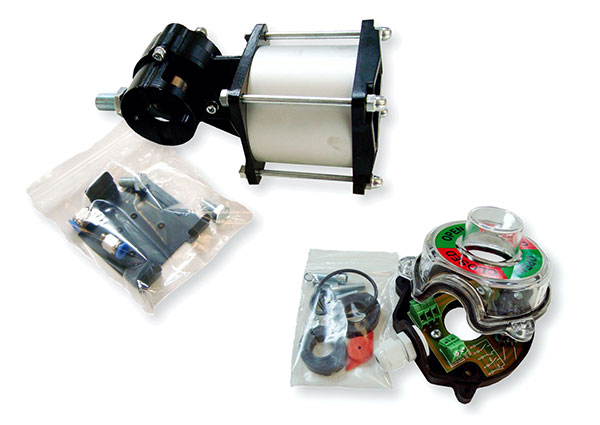
AERATION PADS AND NOZZLES

PNEUMATIC SYSTEM


DRIVE UNIT


VIBRATORS


LOAD CELLS


ROLLERS

BELT SCRAPERS
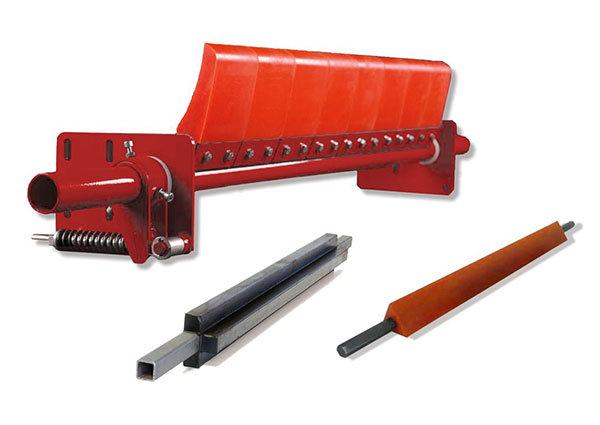
RUBBER BELT


OTHER EQUIPMENTS


Aggregates used in concrete production are stored in aggregate bunkers. These bunkers can have 3, 4, 5, or 6 compartments depending on the material type. The capacity ranges from 60 m³ to 400 m³. In addition, NPI 200 or equivalent H-profile steel is used for the load-carrying chassis and supports.
At the bottom of each bunker, a compartment allows material to flow into the weighing hopper. It is manufactured with 6 mm St37 steel sheets. As a result, the system ensures durability and smooth material flow.
Our Concrete Plant Aggregate Bunker designs provide durability and easy maintenance
Weighing Conveyor
The weighing conveyor is suspended on shear-beam load cells under each aggregate gate. Moreover, it is driven by a torque-arm mounted hollow-shaft geared motor. This system accurately batches aggregates.
External and internal belt scrapers prevent material sticking. Therefore, weighing remains consistent and reliable. The skirt board and flow adjuster ensure smooth transport of aggregates to the transfer conveyor.
The dosing machine performs storage and measuring functions. First, the machine stores aggregate and other materials. Then, it weighs each material individually or collectively. Also, high-quality sensors and well-known brand components ensure precise weighing performance.
Aggregate Storage Bins
The supporting structure is made from parallel-flange H-beam steel. Corrugated extensions allow safe storage of large aggregate volumes. In addition, each bin uses twin discharge gates. This design improves batching accuracy and increases production efficiency.
What Are Aggregate Bunkers?
The Concrete Plant Aggregate Bunker is one of the most essential components in a concrete batching system. It stores, separates, and delivers various aggregates such as sand, gravel, and crushed stone to ensure accurate and consistent mixing. Designed for strength and efficiency, our aggregate bunkers perfectly integrate with both Stationary Concrete Batching Plants and Mobile Concrete Batching Plants.
Each aggregate bunker is manufactured from high-quality steel and reinforced with durable H-beam profiles to provide stability under heavy loads. Our models include 3, 4, 5, or 6 compartments, depending on your project’s material requirements. The discharge gates and pneumatic control system ensure precise aggregate dosing and smooth operation.
To complete your batching system, explore our range of spare parts such as the Cement Silo, Conveyor Belt, and Load Cells. These parts work together to maintain accuracy, efficiency, and long-term durability.
For more insights into how aggregate storage impacts batching performance, you can read more about Concrete Batching Plants on Wikipedia.
At NC Concrete Machinery Company, we combine innovation and reliability to offer premium solutions for concrete production. Contact our team today to learn more about custom-designed aggregate bunkers tailored to your plant needs.
Key Features
-
Multiple Compartments: Store several aggregate types separately.
-
Loading System: Includes hoppers or conveyor belts for fast filling.
-
Discharge System: Controlled gates release aggregates accurately.
-
Material Flow: Vibrators prevent sticking and improve flow.
-
Weather Protection: Roof and side covers protect materials from rain.
Main Functions
-
Storage: Keeps aggregates clean and ready for batching.
-
Precise Batching: Ensures correct mix ratios for concrete quality.
-
Segregation: Prevents material contamination.
Benefits
-
Higher batching efficiency
-
Better concrete quality
-
Reduced waste and cost
-
Flexible mix design options
Technical Specifications
Capacity
Aggregate bunkers vary from a few m³ to large industrial sizes.
Construction
They are usually made from steel or reinforced concrete. Coatings help prevent corrosion.
Weighing Systems
Modern bunkers include load cells for accurate measurement.
Operation Considerations
-
Easy access platforms
-
Dust control systems
-
Safe inspection areas
Best Practices
-
Keep compartments clean and separated
-
Calibrate weighing system regularly
-
Train operators for safe use
Advanced Technology
Today, many systems include:
-
Automation
-
Remote monitoring
-
Real-time material tracking
Spare Parts for Aggregate Bunkers
-
Hopper liners
-
Conveyor belts
-
Load cells
-
Discharge gates
-
Sensors and motors
-
Hydraulic components
These parts ensure smooth operation and reduce downtime.
Each Concrete Plant Aggregate Bunker is manufactured with precision for high efficiency